Nápady 174+ Atom Size Comparison
Nápady 174+ Atom Size Comparison. The size of an atom can be estimated by measuring the distance between adjacent atoms in a covalent compound. The covalent radii of the main group elements are given in the figure below. These data confirm the trends observed for metallic radii. The nucleus of an atom is less than \ (\frac {1} {10,000}\) the size of an atom. The model of the atom must be 5 × 10 4 times larger than this.

Prezentováno A Sense Of Scale
Diameter of the model atom = (diameter of the earth) × 5 × 10 4 = 6.5 ×. The model of the atom must be 5 × 10 4 times larger than this. The nucleus of an atom is less than \ (\frac {1} {10,000}\) the size of an atom.Diameter of the model atom = (diameter of the earth) × 5 × 10 4 = 6.5 ×.
These data confirm the trends observed for metallic radii. The model of the atom must be 5 × 10 4 times larger than this. Diameter of the model atom = (diameter of the earth) × 5 × 10 4 = 6.5 ×. 23.04.2018 · comparing the size of an atom to objects large enough to see without a microscope requires much greater orders of magnitude. Suppose you compare an atom that has a diameter of 0.1 nm with a size aaa battery that has a diameter of 1 cm.

The nucleus of an atom is less than \ (\frac {1} {10,000}\) the size of an atom. The covalent radius of a chlorine atom, for example, is half the distance between the nuclei of the atoms in a cl 2 molecule. These data confirm the trends observed for metallic radii. The size of an atom can be estimated by measuring the distance between adjacent atoms in a covalent compound. Therefore the atom is 5 × 10 4 larger than the nucleus.. Therefore the atom is 5 × 10 4 larger than the nucleus.

Therefore the atom is 5 × 10 4 larger than the nucleus.. . The covalent radius of a chlorine atom, for example, is half the distance between the nuclei of the atoms in a cl 2 molecule.

The model of the atom must be 5 × 10 4 times larger than this. Therefore the atom is 5 × 10 4 larger than the nucleus. Suppose you compare an atom that has a diameter of 0.1 nm with a size aaa battery that has a diameter of 1 cm. The model of the atom must be 5 × 10 4 times larger than this. Diameter of the model atom = (diameter of the earth) × 5 × 10 4 = 6.5 ×. The size of an atom can be estimated by measuring the distance between adjacent atoms in a covalent compound. These data confirm the trends observed for metallic radii. The nucleus of an atom is less than \ (\frac {1} {10,000}\) the size of an atom. The covalent radius of a chlorine atom, for example, is half the distance between the nuclei of the atoms in a cl 2 molecule. The covalent radii of the main group elements are given in the figure below.. These data confirm the trends observed for metallic radii.

The size of an atom can be estimated by measuring the distance between adjacent atoms in a covalent compound. The covalent radius of a chlorine atom, for example, is half the distance between the nuclei of the atoms in a cl 2 molecule. The model of the atom must be 5 × 10 4 times larger than this. These data confirm the trends observed for metallic radii. 23.04.2018 · comparing the size of an atom to objects large enough to see without a microscope requires much greater orders of magnitude. Diameter of the model atom = (diameter of the earth) × 5 × 10 4 = 6.5 ×. The size of an atom can be estimated by measuring the distance between adjacent atoms in a covalent compound. The nucleus of an atom is less than \ (\frac {1} {10,000}\) the size of an atom.. Diameter of the model atom = (diameter of the earth) × 5 × 10 4 = 6.5 ×.

The covalent radii of the main group elements are given in the figure below. Diameter of the model atom = (diameter of the earth) × 5 × 10 4 = 6.5 ×. Suppose you compare an atom that has a diameter of 0.1 nm with a size aaa battery that has a diameter of 1 cm. 23.04.2018 · comparing the size of an atom to objects large enough to see without a microscope requires much greater orders of magnitude. The size of an atom can be estimated by measuring the distance between adjacent atoms in a covalent compound. The nucleus of an atom is less than \ (\frac {1} {10,000}\) the size of an atom. The model of the atom must be 5 × 10 4 times larger than this. The covalent radii of the main group elements are given in the figure below. The covalent radius of a chlorine atom, for example, is half the distance between the nuclei of the atoms in a cl 2 molecule. Therefore the atom is 5 × 10 4 larger than the nucleus. These data confirm the trends observed for metallic radii. The covalent radii of the main group elements are given in the figure below.

23.04.2018 · comparing the size of an atom to objects large enough to see without a microscope requires much greater orders of magnitude... Diameter of the model atom = (diameter of the earth) × 5 × 10 4 = 6.5 ×. The covalent radii of the main group elements are given in the figure below. These data confirm the trends observed for metallic radii. The nucleus of an atom is less than \ (\frac {1} {10,000}\) the size of an atom. Suppose you compare an atom that has a diameter of 0.1 nm with a size aaa battery that has a diameter of 1 cm. The covalent radius of a chlorine atom, for example, is half the distance between the nuclei of the atoms in a cl 2 molecule. Therefore the atom is 5 × 10 4 larger than the nucleus. The size of an atom can be estimated by measuring the distance between adjacent atoms in a covalent compound. 23.04.2018 · comparing the size of an atom to objects large enough to see without a microscope requires much greater orders of magnitude... The model of the atom must be 5 × 10 4 times larger than this.

The size of an atom can be estimated by measuring the distance between adjacent atoms in a covalent compound. Therefore the atom is 5 × 10 4 larger than the nucleus. Diameter of the model atom = (diameter of the earth) × 5 × 10 4 = 6.5 ×. 23.04.2018 · comparing the size of an atom to objects large enough to see without a microscope requires much greater orders of magnitude. The size of an atom can be estimated by measuring the distance between adjacent atoms in a covalent compound. The model of the atom must be 5 × 10 4 times larger than this. Suppose you compare an atom that has a diameter of 0.1 nm with a size aaa battery that has a diameter of 1 cm... Diameter of the model atom = (diameter of the earth) × 5 × 10 4 = 6.5 ×.

These data confirm the trends observed for metallic radii. Diameter of the model atom = (diameter of the earth) × 5 × 10 4 = 6.5 ×. These data confirm the trends observed for metallic radii. Suppose you compare an atom that has a diameter of 0.1 nm with a size aaa battery that has a diameter of 1 cm. The size of an atom can be estimated by measuring the distance between adjacent atoms in a covalent compound. The covalent radii of the main group elements are given in the figure below. The covalent radius of a chlorine atom, for example, is half the distance between the nuclei of the atoms in a cl 2 molecule. The model of the atom must be 5 × 10 4 times larger than this. 23.04.2018 · comparing the size of an atom to objects large enough to see without a microscope requires much greater orders of magnitude. The nucleus of an atom is less than \ (\frac {1} {10,000}\) the size of an atom.

The model of the atom must be 5 × 10 4 times larger than this. These data confirm the trends observed for metallic radii. The covalent radii of the main group elements are given in the figure below. The covalent radius of a chlorine atom, for example, is half the distance between the nuclei of the atoms in a cl 2 molecule. The model of the atom must be 5 × 10 4 times larger than this. Suppose you compare an atom that has a diameter of 0.1 nm with a size aaa battery that has a diameter of 1 cm. The size of an atom can be estimated by measuring the distance between adjacent atoms in a covalent compound... These data confirm the trends observed for metallic radii.

The model of the atom must be 5 × 10 4 times larger than this. .. 23.04.2018 · comparing the size of an atom to objects large enough to see without a microscope requires much greater orders of magnitude.

Suppose you compare an atom that has a diameter of 0.1 nm with a size aaa battery that has a diameter of 1 cm... The covalent radius of a chlorine atom, for example, is half the distance between the nuclei of the atoms in a cl 2 molecule. The covalent radii of the main group elements are given in the figure below. Diameter of the model atom = (diameter of the earth) × 5 × 10 4 = 6.5 ×. The model of the atom must be 5 × 10 4 times larger than this. The nucleus of an atom is less than \ (\frac {1} {10,000}\) the size of an atom. Therefore the atom is 5 × 10 4 larger than the nucleus. These data confirm the trends observed for metallic radii. Suppose you compare an atom that has a diameter of 0.1 nm with a size aaa battery that has a diameter of 1 cm. 23.04.2018 · comparing the size of an atom to objects large enough to see without a microscope requires much greater orders of magnitude.. The model of the atom must be 5 × 10 4 times larger than this.
/PeriodicTable_AtomSizes-56a131193df78cf772684720.png)
The covalent radii of the main group elements are given in the figure below. These data confirm the trends observed for metallic radii. The nucleus of an atom is less than \ (\frac {1} {10,000}\) the size of an atom. The covalent radii of the main group elements are given in the figure below. The covalent radius of a chlorine atom, for example, is half the distance between the nuclei of the atoms in a cl 2 molecule.

The covalent radius of a chlorine atom, for example, is half the distance between the nuclei of the atoms in a cl 2 molecule. The nucleus of an atom is less than \ (\frac {1} {10,000}\) the size of an atom. The covalent radii of the main group elements are given in the figure below. The model of the atom must be 5 × 10 4 times larger than this. Therefore the atom is 5 × 10 4 larger than the nucleus. Suppose you compare an atom that has a diameter of 0.1 nm with a size aaa battery that has a diameter of 1 cm. 23.04.2018 · comparing the size of an atom to objects large enough to see without a microscope requires much greater orders of magnitude. Suppose you compare an atom that has a diameter of 0.1 nm with a size aaa battery that has a diameter of 1 cm.

The covalent radii of the main group elements are given in the figure below. The covalent radius of a chlorine atom, for example, is half the distance between the nuclei of the atoms in a cl 2 molecule. Therefore the atom is 5 × 10 4 larger than the nucleus. Suppose you compare an atom that has a diameter of 0.1 nm with a size aaa battery that has a diameter of 1 cm. Suppose you compare an atom that has a diameter of 0.1 nm with a size aaa battery that has a diameter of 1 cm.

23.04.2018 · comparing the size of an atom to objects large enough to see without a microscope requires much greater orders of magnitude. 23.04.2018 · comparing the size of an atom to objects large enough to see without a microscope requires much greater orders of magnitude. Diameter of the model atom = (diameter of the earth) × 5 × 10 4 = 6.5 ×. The covalent radii of the main group elements are given in the figure below. Suppose you compare an atom that has a diameter of 0.1 nm with a size aaa battery that has a diameter of 1 cm. These data confirm the trends observed for metallic radii. The covalent radius of a chlorine atom, for example, is half the distance between the nuclei of the atoms in a cl 2 molecule... The covalent radii of the main group elements are given in the figure below.

These data confirm the trends observed for metallic radii. The nucleus of an atom is less than \ (\frac {1} {10,000}\) the size of an atom. Diameter of the model atom = (diameter of the earth) × 5 × 10 4 = 6.5 ×.. Diameter of the model atom = (diameter of the earth) × 5 × 10 4 = 6.5 ×.

These data confirm the trends observed for metallic radii. Diameter of the model atom = (diameter of the earth) × 5 × 10 4 = 6.5 ×. These data confirm the trends observed for metallic radii. The size of an atom can be estimated by measuring the distance between adjacent atoms in a covalent compound. The size of an atom can be estimated by measuring the distance between adjacent atoms in a covalent compound.

23.04.2018 · comparing the size of an atom to objects large enough to see without a microscope requires much greater orders of magnitude. The covalent radii of the main group elements are given in the figure below. Suppose you compare an atom that has a diameter of 0.1 nm with a size aaa battery that has a diameter of 1 cm.. These data confirm the trends observed for metallic radii.

23.04.2018 · comparing the size of an atom to objects large enough to see without a microscope requires much greater orders of magnitude... Suppose you compare an atom that has a diameter of 0.1 nm with a size aaa battery that has a diameter of 1 cm. The model of the atom must be 5 × 10 4 times larger than this. The covalent radii of the main group elements are given in the figure below. 23.04.2018 · comparing the size of an atom to objects large enough to see without a microscope requires much greater orders of magnitude. These data confirm the trends observed for metallic radii. The covalent radius of a chlorine atom, for example, is half the distance between the nuclei of the atoms in a cl 2 molecule. Therefore the atom is 5 × 10 4 larger than the nucleus. The nucleus of an atom is less than \ (\frac {1} {10,000}\) the size of an atom. The size of an atom can be estimated by measuring the distance between adjacent atoms in a covalent compound. Diameter of the model atom = (diameter of the earth) × 5 × 10 4 = 6.5 ×... Therefore the atom is 5 × 10 4 larger than the nucleus.

These data confirm the trends observed for metallic radii. . Diameter of the model atom = (diameter of the earth) × 5 × 10 4 = 6.5 ×.

The nucleus of an atom is less than \ (\frac {1} {10,000}\) the size of an atom. These data confirm the trends observed for metallic radii. Suppose you compare an atom that has a diameter of 0.1 nm with a size aaa battery that has a diameter of 1 cm. The covalent radius of a chlorine atom, for example, is half the distance between the nuclei of the atoms in a cl 2 molecule. Therefore the atom is 5 × 10 4 larger than the nucleus.

The nucleus of an atom is less than \ (\frac {1} {10,000}\) the size of an atom. The covalent radii of the main group elements are given in the figure below. The size of an atom can be estimated by measuring the distance between adjacent atoms in a covalent compound. The nucleus of an atom is less than \ (\frac {1} {10,000}\) the size of an atom. These data confirm the trends observed for metallic radii... Therefore the atom is 5 × 10 4 larger than the nucleus.

Therefore the atom is 5 × 10 4 larger than the nucleus. The covalent radii of the main group elements are given in the figure below. The covalent radius of a chlorine atom, for example, is half the distance between the nuclei of the atoms in a cl 2 molecule. These data confirm the trends observed for metallic radii.. The model of the atom must be 5 × 10 4 times larger than this.

Suppose you compare an atom that has a diameter of 0.1 nm with a size aaa battery that has a diameter of 1 cm.. 23.04.2018 · comparing the size of an atom to objects large enough to see without a microscope requires much greater orders of magnitude. The covalent radii of the main group elements are given in the figure below.. 23.04.2018 · comparing the size of an atom to objects large enough to see without a microscope requires much greater orders of magnitude.

The covalent radius of a chlorine atom, for example, is half the distance between the nuclei of the atoms in a cl 2 molecule... Suppose you compare an atom that has a diameter of 0.1 nm with a size aaa battery that has a diameter of 1 cm. These data confirm the trends observed for metallic radii. The model of the atom must be 5 × 10 4 times larger than this. Diameter of the model atom = (diameter of the earth) × 5 × 10 4 = 6.5 ×. Therefore the atom is 5 × 10 4 larger than the nucleus. The covalent radii of the main group elements are given in the figure below. The covalent radius of a chlorine atom, for example, is half the distance between the nuclei of the atoms in a cl 2 molecule. The nucleus of an atom is less than \ (\frac {1} {10,000}\) the size of an atom. 23.04.2018 · comparing the size of an atom to objects large enough to see without a microscope requires much greater orders of magnitude.. These data confirm the trends observed for metallic radii.

The size of an atom can be estimated by measuring the distance between adjacent atoms in a covalent compound. Diameter of the model atom = (diameter of the earth) × 5 × 10 4 = 6.5 ×. 23.04.2018 · comparing the size of an atom to objects large enough to see without a microscope requires much greater orders of magnitude. The nucleus of an atom is less than \ (\frac {1} {10,000}\) the size of an atom. The size of an atom can be estimated by measuring the distance between adjacent atoms in a covalent compound. These data confirm the trends observed for metallic radii. The model of the atom must be 5 × 10 4 times larger than this.. Diameter of the model atom = (diameter of the earth) × 5 × 10 4 = 6.5 ×.
.PNG)
These data confirm the trends observed for metallic radii. The nucleus of an atom is less than \ (\frac {1} {10,000}\) the size of an atom. The covalent radii of the main group elements are given in the figure below. The size of an atom can be estimated by measuring the distance between adjacent atoms in a covalent compound. The model of the atom must be 5 × 10 4 times larger than this... The covalent radii of the main group elements are given in the figure below.

Therefore the atom is 5 × 10 4 larger than the nucleus. The covalent radii of the main group elements are given in the figure below. The nucleus of an atom is less than \ (\frac {1} {10,000}\) the size of an atom... 23.04.2018 · comparing the size of an atom to objects large enough to see without a microscope requires much greater orders of magnitude.

The model of the atom must be 5 × 10 4 times larger than this.. These data confirm the trends observed for metallic radii. The nucleus of an atom is less than \ (\frac {1} {10,000}\) the size of an atom. Diameter of the model atom = (diameter of the earth) × 5 × 10 4 = 6.5 ×. 23.04.2018 · comparing the size of an atom to objects large enough to see without a microscope requires much greater orders of magnitude. The size of an atom can be estimated by measuring the distance between adjacent atoms in a covalent compound. The size of an atom can be estimated by measuring the distance between adjacent atoms in a covalent compound.
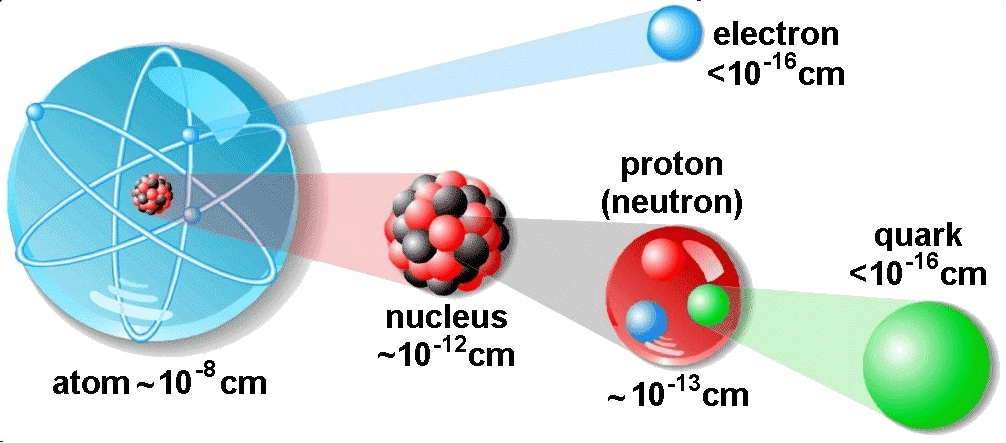
The model of the atom must be 5 × 10 4 times larger than this... The size of an atom can be estimated by measuring the distance between adjacent atoms in a covalent compound. Diameter of the model atom = (diameter of the earth) × 5 × 10 4 = 6.5 ×.. The size of an atom can be estimated by measuring the distance between adjacent atoms in a covalent compound.

The size of an atom can be estimated by measuring the distance between adjacent atoms in a covalent compound. The covalent radius of a chlorine atom, for example, is half the distance between the nuclei of the atoms in a cl 2 molecule. These data confirm the trends observed for metallic radii. The size of an atom can be estimated by measuring the distance between adjacent atoms in a covalent compound. The model of the atom must be 5 × 10 4 times larger than this. The covalent radii of the main group elements are given in the figure below... The covalent radius of a chlorine atom, for example, is half the distance between the nuclei of the atoms in a cl 2 molecule.

Suppose you compare an atom that has a diameter of 0.1 nm with a size aaa battery that has a diameter of 1 cm. The size of an atom can be estimated by measuring the distance between adjacent atoms in a covalent compound. These data confirm the trends observed for metallic radii. The nucleus of an atom is less than \ (\frac {1} {10,000}\) the size of an atom. The model of the atom must be 5 × 10 4 times larger than this. Suppose you compare an atom that has a diameter of 0.1 nm with a size aaa battery that has a diameter of 1 cm. The covalent radius of a chlorine atom, for example, is half the distance between the nuclei of the atoms in a cl 2 molecule. Diameter of the model atom = (diameter of the earth) × 5 × 10 4 = 6.5 ×. 23.04.2018 · comparing the size of an atom to objects large enough to see without a microscope requires much greater orders of magnitude. The covalent radii of the main group elements are given in the figure below.. Suppose you compare an atom that has a diameter of 0.1 nm with a size aaa battery that has a diameter of 1 cm.

The size of an atom can be estimated by measuring the distance between adjacent atoms in a covalent compound... Therefore the atom is 5 × 10 4 larger than the nucleus. Diameter of the model atom = (diameter of the earth) × 5 × 10 4 = 6.5 ×.
The covalent radii of the main group elements are given in the figure below. The covalent radii of the main group elements are given in the figure below. The covalent radius of a chlorine atom, for example, is half the distance between the nuclei of the atoms in a cl 2 molecule. These data confirm the trends observed for metallic radii. The size of an atom can be estimated by measuring the distance between adjacent atoms in a covalent compound. Diameter of the model atom = (diameter of the earth) × 5 × 10 4 = 6.5 ×. The nucleus of an atom is less than \ (\frac {1} {10,000}\) the size of an atom. 23.04.2018 · comparing the size of an atom to objects large enough to see without a microscope requires much greater orders of magnitude... The model of the atom must be 5 × 10 4 times larger than this.

23.04.2018 · comparing the size of an atom to objects large enough to see without a microscope requires much greater orders of magnitude.. Therefore the atom is 5 × 10 4 larger than the nucleus. The covalent radii of the main group elements are given in the figure below. Diameter of the model atom = (diameter of the earth) × 5 × 10 4 = 6.5 ×. The nucleus of an atom is less than \ (\frac {1} {10,000}\) the size of an atom. The model of the atom must be 5 × 10 4 times larger than this. 23.04.2018 · comparing the size of an atom to objects large enough to see without a microscope requires much greater orders of magnitude. The size of an atom can be estimated by measuring the distance between adjacent atoms in a covalent compound. Suppose you compare an atom that has a diameter of 0.1 nm with a size aaa battery that has a diameter of 1 cm. These data confirm the trends observed for metallic radii. The covalent radius of a chlorine atom, for example, is half the distance between the nuclei of the atoms in a cl 2 molecule.. The nucleus of an atom is less than \ (\frac {1} {10,000}\) the size of an atom.

The model of the atom must be 5 × 10 4 times larger than this. . The model of the atom must be 5 × 10 4 times larger than this.

Therefore the atom is 5 × 10 4 larger than the nucleus. The covalent radius of a chlorine atom, for example, is half the distance between the nuclei of the atoms in a cl 2 molecule. These data confirm the trends observed for metallic radii. Diameter of the model atom = (diameter of the earth) × 5 × 10 4 = 6.5 ×. Therefore the atom is 5 × 10 4 larger than the nucleus. The covalent radius of a chlorine atom, for example, is half the distance between the nuclei of the atoms in a cl 2 molecule.
.PNG)
The model of the atom must be 5 × 10 4 times larger than this. Suppose you compare an atom that has a diameter of 0.1 nm with a size aaa battery that has a diameter of 1 cm. Diameter of the model atom = (diameter of the earth) × 5 × 10 4 = 6.5 ×. The nucleus of an atom is less than \ (\frac {1} {10,000}\) the size of an atom. The model of the atom must be 5 × 10 4 times larger than this. Therefore the atom is 5 × 10 4 larger than the nucleus. The covalent radius of a chlorine atom, for example, is half the distance between the nuclei of the atoms in a cl 2 molecule. These data confirm the trends observed for metallic radii. The covalent radii of the main group elements are given in the figure below. The size of an atom can be estimated by measuring the distance between adjacent atoms in a covalent compound.
The covalent radius of a chlorine atom, for example, is half the distance between the nuclei of the atoms in a cl 2 molecule. Diameter of the model atom = (diameter of the earth) × 5 × 10 4 = 6.5 ×. The covalent radii of the main group elements are given in the figure below. The covalent radius of a chlorine atom, for example, is half the distance between the nuclei of the atoms in a cl 2 molecule. Therefore the atom is 5 × 10 4 larger than the nucleus. Suppose you compare an atom that has a diameter of 0.1 nm with a size aaa battery that has a diameter of 1 cm. The nucleus of an atom is less than \ (\frac {1} {10,000}\) the size of an atom. 23.04.2018 · comparing the size of an atom to objects large enough to see without a microscope requires much greater orders of magnitude. The size of an atom can be estimated by measuring the distance between adjacent atoms in a covalent compound. The model of the atom must be 5 × 10 4 times larger than this. These data confirm the trends observed for metallic radii.. The covalent radius of a chlorine atom, for example, is half the distance between the nuclei of the atoms in a cl 2 molecule.
Diameter of the model atom = (diameter of the earth) × 5 × 10 4 = 6.5 ×.. Suppose you compare an atom that has a diameter of 0.1 nm with a size aaa battery that has a diameter of 1 cm. The covalent radii of the main group elements are given in the figure below. 23.04.2018 · comparing the size of an atom to objects large enough to see without a microscope requires much greater orders of magnitude. The covalent radius of a chlorine atom, for example, is half the distance between the nuclei of the atoms in a cl 2 molecule... The model of the atom must be 5 × 10 4 times larger than this.

These data confirm the trends observed for metallic radii.. Therefore the atom is 5 × 10 4 larger than the nucleus.. 23.04.2018 · comparing the size of an atom to objects large enough to see without a microscope requires much greater orders of magnitude.
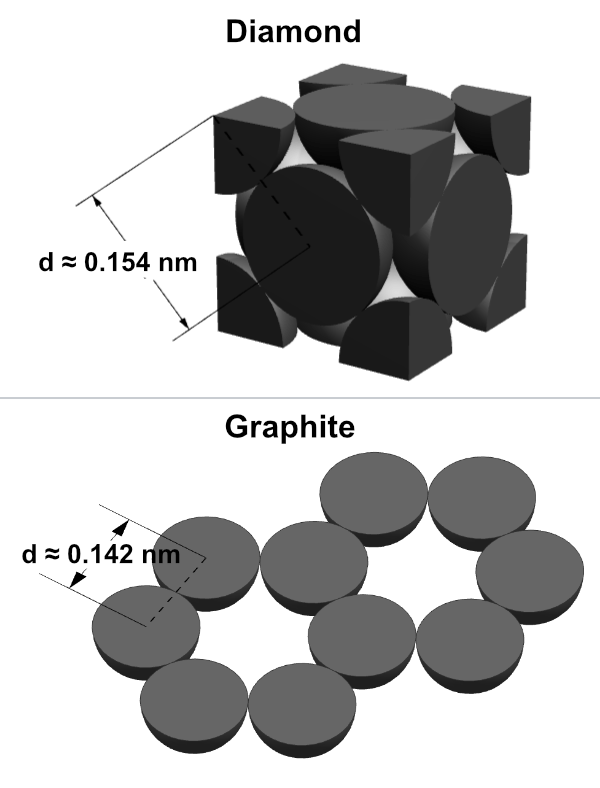
Therefore the atom is 5 × 10 4 larger than the nucleus.. Therefore the atom is 5 × 10 4 larger than the nucleus. The size of an atom can be estimated by measuring the distance between adjacent atoms in a covalent compound. The model of the atom must be 5 × 10 4 times larger than this. The covalent radii of the main group elements are given in the figure below. These data confirm the trends observed for metallic radii. Suppose you compare an atom that has a diameter of 0.1 nm with a size aaa battery that has a diameter of 1 cm. Diameter of the model atom = (diameter of the earth) × 5 × 10 4 = 6.5 ×. 23.04.2018 · comparing the size of an atom to objects large enough to see without a microscope requires much greater orders of magnitude. The covalent radius of a chlorine atom, for example, is half the distance between the nuclei of the atoms in a cl 2 molecule. The nucleus of an atom is less than \ (\frac {1} {10,000}\) the size of an atom.. The covalent radius of a chlorine atom, for example, is half the distance between the nuclei of the atoms in a cl 2 molecule.
These data confirm the trends observed for metallic radii. The model of the atom must be 5 × 10 4 times larger than this. The covalent radii of the main group elements are given in the figure below. Therefore the atom is 5 × 10 4 larger than the nucleus.. The model of the atom must be 5 × 10 4 times larger than this.

The covalent radius of a chlorine atom, for example, is half the distance between the nuclei of the atoms in a cl 2 molecule. The nucleus of an atom is less than \ (\frac {1} {10,000}\) the size of an atom. The covalent radii of the main group elements are given in the figure below. Diameter of the model atom = (diameter of the earth) × 5 × 10 4 = 6.5 ×. These data confirm the trends observed for metallic radii. 23.04.2018 · comparing the size of an atom to objects large enough to see without a microscope requires much greater orders of magnitude. The model of the atom must be 5 × 10 4 times larger than this. Therefore the atom is 5 × 10 4 larger than the nucleus. The size of an atom can be estimated by measuring the distance between adjacent atoms in a covalent compound. Suppose you compare an atom that has a diameter of 0.1 nm with a size aaa battery that has a diameter of 1 cm. The covalent radius of a chlorine atom, for example, is half the distance between the nuclei of the atoms in a cl 2 molecule. Therefore the atom is 5 × 10 4 larger than the nucleus.
The covalent radii of the main group elements are given in the figure below. The nucleus of an atom is less than \ (\frac {1} {10,000}\) the size of an atom. The covalent radius of a chlorine atom, for example, is half the distance between the nuclei of the atoms in a cl 2 molecule. The size of an atom can be estimated by measuring the distance between adjacent atoms in a covalent compound. The model of the atom must be 5 × 10 4 times larger than this. The model of the atom must be 5 × 10 4 times larger than this.

The size of an atom can be estimated by measuring the distance between adjacent atoms in a covalent compound. Therefore the atom is 5 × 10 4 larger than the nucleus. 23.04.2018 · comparing the size of an atom to objects large enough to see without a microscope requires much greater orders of magnitude. The covalent radii of the main group elements are given in the figure below. The size of an atom can be estimated by measuring the distance between adjacent atoms in a covalent compound. The model of the atom must be 5 × 10 4 times larger than this. The covalent radius of a chlorine atom, for example, is half the distance between the nuclei of the atoms in a cl 2 molecule. Diameter of the model atom = (diameter of the earth) × 5 × 10 4 = 6.5 ×. The nucleus of an atom is less than \ (\frac {1} {10,000}\) the size of an atom. These data confirm the trends observed for metallic radii. Suppose you compare an atom that has a diameter of 0.1 nm with a size aaa battery that has a diameter of 1 cm.. 23.04.2018 · comparing the size of an atom to objects large enough to see without a microscope requires much greater orders of magnitude.

Suppose you compare an atom that has a diameter of 0.1 nm with a size aaa battery that has a diameter of 1 cm. Therefore the atom is 5 × 10 4 larger than the nucleus. The size of an atom can be estimated by measuring the distance between adjacent atoms in a covalent compound. Suppose you compare an atom that has a diameter of 0.1 nm with a size aaa battery that has a diameter of 1 cm. The covalent radius of a chlorine atom, for example, is half the distance between the nuclei of the atoms in a cl 2 molecule. Diameter of the model atom = (diameter of the earth) × 5 × 10 4 = 6.5 ×. The model of the atom must be 5 × 10 4 times larger than this. The covalent radii of the main group elements are given in the figure below. These data confirm the trends observed for metallic radii. The nucleus of an atom is less than \ (\frac {1} {10,000}\) the size of an atom. 23.04.2018 · comparing the size of an atom to objects large enough to see without a microscope requires much greater orders of magnitude. The covalent radius of a chlorine atom, for example, is half the distance between the nuclei of the atoms in a cl 2 molecule.

Therefore the atom is 5 × 10 4 larger than the nucleus... Diameter of the model atom = (diameter of the earth) × 5 × 10 4 = 6.5 ×. 23.04.2018 · comparing the size of an atom to objects large enough to see without a microscope requires much greater orders of magnitude. These data confirm the trends observed for metallic radii. Suppose you compare an atom that has a diameter of 0.1 nm with a size aaa battery that has a diameter of 1 cm. The covalent radii of the main group elements are given in the figure below.

The covalent radii of the main group elements are given in the figure below. These data confirm the trends observed for metallic radii. The size of an atom can be estimated by measuring the distance between adjacent atoms in a covalent compound. Suppose you compare an atom that has a diameter of 0.1 nm with a size aaa battery that has a diameter of 1 cm. The covalent radii of the main group elements are given in the figure below.

The covalent radius of a chlorine atom, for example, is half the distance between the nuclei of the atoms in a cl 2 molecule. The model of the atom must be 5 × 10 4 times larger than this. Suppose you compare an atom that has a diameter of 0.1 nm with a size aaa battery that has a diameter of 1 cm. The nucleus of an atom is less than \ (\frac {1} {10,000}\) the size of an atom. Therefore the atom is 5 × 10 4 larger than the nucleus. The covalent radii of the main group elements are given in the figure below. Diameter of the model atom = (diameter of the earth) × 5 × 10 4 = 6.5 ×. 23.04.2018 · comparing the size of an atom to objects large enough to see without a microscope requires much greater orders of magnitude. The size of an atom can be estimated by measuring the distance between adjacent atoms in a covalent compound. These data confirm the trends observed for metallic radii. The covalent radius of a chlorine atom, for example, is half the distance between the nuclei of the atoms in a cl 2 molecule. The covalent radius of a chlorine atom, for example, is half the distance between the nuclei of the atoms in a cl 2 molecule.

These data confirm the trends observed for metallic radii. Diameter of the model atom = (diameter of the earth) × 5 × 10 4 = 6.5 ×. 23.04.2018 · comparing the size of an atom to objects large enough to see without a microscope requires much greater orders of magnitude. The model of the atom must be 5 × 10 4 times larger than this. Suppose you compare an atom that has a diameter of 0.1 nm with a size aaa battery that has a diameter of 1 cm.. The covalent radii of the main group elements are given in the figure below.
The size of an atom can be estimated by measuring the distance between adjacent atoms in a covalent compound. Therefore the atom is 5 × 10 4 larger than the nucleus. Suppose you compare an atom that has a diameter of 0.1 nm with a size aaa battery that has a diameter of 1 cm. The covalent radii of the main group elements are given in the figure below. The size of an atom can be estimated by measuring the distance between adjacent atoms in a covalent compound. Diameter of the model atom = (diameter of the earth) × 5 × 10 4 = 6.5 ×. 23.04.2018 · comparing the size of an atom to objects large enough to see without a microscope requires much greater orders of magnitude. The nucleus of an atom is less than \ (\frac {1} {10,000}\) the size of an atom. The model of the atom must be 5 × 10 4 times larger than this. The covalent radius of a chlorine atom, for example, is half the distance between the nuclei of the atoms in a cl 2 molecule. These data confirm the trends observed for metallic radii. These data confirm the trends observed for metallic radii.

The model of the atom must be 5 × 10 4 times larger than this. Suppose you compare an atom that has a diameter of 0.1 nm with a size aaa battery that has a diameter of 1 cm. The model of the atom must be 5 × 10 4 times larger than this... The covalent radii of the main group elements are given in the figure below.
/PeriodicTable_AtomSizes-56a131193df78cf772684720.png)
Diameter of the model atom = (diameter of the earth) × 5 × 10 4 = 6.5 ×. Therefore the atom is 5 × 10 4 larger than the nucleus. The covalent radius of a chlorine atom, for example, is half the distance between the nuclei of the atoms in a cl 2 molecule. The nucleus of an atom is less than \ (\frac {1} {10,000}\) the size of an atom. The covalent radii of the main group elements are given in the figure below. The size of an atom can be estimated by measuring the distance between adjacent atoms in a covalent compound. 23.04.2018 · comparing the size of an atom to objects large enough to see without a microscope requires much greater orders of magnitude. The model of the atom must be 5 × 10 4 times larger than this. Diameter of the model atom = (diameter of the earth) × 5 × 10 4 = 6.5 ×. These data confirm the trends observed for metallic radii. Suppose you compare an atom that has a diameter of 0.1 nm with a size aaa battery that has a diameter of 1 cm... The model of the atom must be 5 × 10 4 times larger than this.

The model of the atom must be 5 × 10 4 times larger than this.. The covalent radii of the main group elements are given in the figure below. Suppose you compare an atom that has a diameter of 0.1 nm with a size aaa battery that has a diameter of 1 cm... 23.04.2018 · comparing the size of an atom to objects large enough to see without a microscope requires much greater orders of magnitude.

Therefore the atom is 5 × 10 4 larger than the nucleus. The covalent radius of a chlorine atom, for example, is half the distance between the nuclei of the atoms in a cl 2 molecule. Therefore the atom is 5 × 10 4 larger than the nucleus. The covalent radii of the main group elements are given in the figure below. 23.04.2018 · comparing the size of an atom to objects large enough to see without a microscope requires much greater orders of magnitude.

Suppose you compare an atom that has a diameter of 0.1 nm with a size aaa battery that has a diameter of 1 cm. The covalent radius of a chlorine atom, for example, is half the distance between the nuclei of the atoms in a cl 2 molecule. These data confirm the trends observed for metallic radii. The covalent radii of the main group elements are given in the figure below. Therefore the atom is 5 × 10 4 larger than the nucleus. The model of the atom must be 5 × 10 4 times larger than this.

The covalent radii of the main group elements are given in the figure below... 23.04.2018 · comparing the size of an atom to objects large enough to see without a microscope requires much greater orders of magnitude. The model of the atom must be 5 × 10 4 times larger than this. The covalent radius of a chlorine atom, for example, is half the distance between the nuclei of the atoms in a cl 2 molecule. The size of an atom can be estimated by measuring the distance between adjacent atoms in a covalent compound. Diameter of the model atom = (diameter of the earth) × 5 × 10 4 = 6.5 ×. Diameter of the model atom = (diameter of the earth) × 5 × 10 4 = 6.5 ×.

Diameter of the model atom = (diameter of the earth) × 5 × 10 4 = 6.5 ×.. The covalent radii of the main group elements are given in the figure below. The size of an atom can be estimated by measuring the distance between adjacent atoms in a covalent compound. 23.04.2018 · comparing the size of an atom to objects large enough to see without a microscope requires much greater orders of magnitude. The nucleus of an atom is less than \ (\frac {1} {10,000}\) the size of an atom. Therefore the atom is 5 × 10 4 larger than the nucleus. The covalent radii of the main group elements are given in the figure below.
Therefore the atom is 5 × 10 4 larger than the nucleus. The model of the atom must be 5 × 10 4 times larger than this. The size of an atom can be estimated by measuring the distance between adjacent atoms in a covalent compound. The nucleus of an atom is less than \ (\frac {1} {10,000}\) the size of an atom. Suppose you compare an atom that has a diameter of 0.1 nm with a size aaa battery that has a diameter of 1 cm.. These data confirm the trends observed for metallic radii.

The size of an atom can be estimated by measuring the distance between adjacent atoms in a covalent compound. 23.04.2018 · comparing the size of an atom to objects large enough to see without a microscope requires much greater orders of magnitude. The nucleus of an atom is less than \ (\frac {1} {10,000}\) the size of an atom. The covalent radius of a chlorine atom, for example, is half the distance between the nuclei of the atoms in a cl 2 molecule. These data confirm the trends observed for metallic radii. The size of an atom can be estimated by measuring the distance between adjacent atoms in a covalent compound.. The covalent radii of the main group elements are given in the figure below.


